Heart-Healthy Snacks and Foods You Can Find on Campus
Written by Heather Carrera, Nutrition & Wellness Manager, DCN, MS, CNS, CDN
February marks National Heart Health Month, a time to reflect on how everyday food choices support long-term cardiovascular health.
Heart disease does not develop overnight. Research shows that the physiological process behind cardiovascular disease—specifically the buildup of atherosclerotic plaque in the arteries—often begins in childhood and adolescence, decades before symptoms appear. The habits we build early, including how we eat as students, can significantly influence heart health later in life.
For faculty and staff, this same research reinforces an important message: it is never too early—or too late—to benefit from heart-healthy changes. Whether you are managing classes and campus life or balancing work, meetings, and family responsibilities, nutrition plays a central role in protecting heart health across the lifespan.
The encouraging news is that food can act medicinally. Research consistently shows that nutrition supports cardiovascular health, helps regulate cholesterol, and reduces inflammation. Rather than focusing on restriction, a heart-healthy eating pattern emphasizes expanding the variety of whole, minimally processed foods you eat each day. This approach aligns with the Institute for Functional Medicine’s Cardiometabolic Food Plan, which focuses on foods that work together to support both cardiovascular and metabolic health.
Foods That Support Heart Health (and Why They Work)
Extra Virgin Olive Oil and Olives
Extra virgin olive oil (EVOO) remains one of the most well-studied foods for cardiovascular protection. Regular intake improves blood vessel function and reduces inflammation without contributing to weight gain—even at higher intakes. These benefits come from polyphenols, which help prevent LDL (“bad”) cholesterol from oxidizing and reduce inflammation within blood vessels. Olives contain these same protective compounds and count as therapeutic foods for heart health.
Nuts and Seeds
Nuts and seeds provide a powerful combination of healthy fats, fiber, antioxidants, and plant sterols that bind cholesterol. Research shows that replacing saturated fat with 1–2 ounces of nuts per day can reduce LDL cholesterol by up to 19 percent while improving blood vessel function.
Ground flaxseed stands out for its benefits. Its omega-3 fats, fiber, and lignans help reduce blood pressure, improve blood sugar regulation, and lower markers of metabolic syndrome. Lignans act as antioxidants and anti-inflammatory compounds that protect blood vessels and help reduce plaque formation.
Whole Grains as Functional Foods
Whole grains such as oats and barley act as functional foods, meaning they do more than provide basic nutrients. Their soluble fiber binds cholesterol in the digestive tract and helps remove it from the body over time. This same fiber slows digestion, stabilizes blood sugar, and increases satiety—all important factors in heart health.
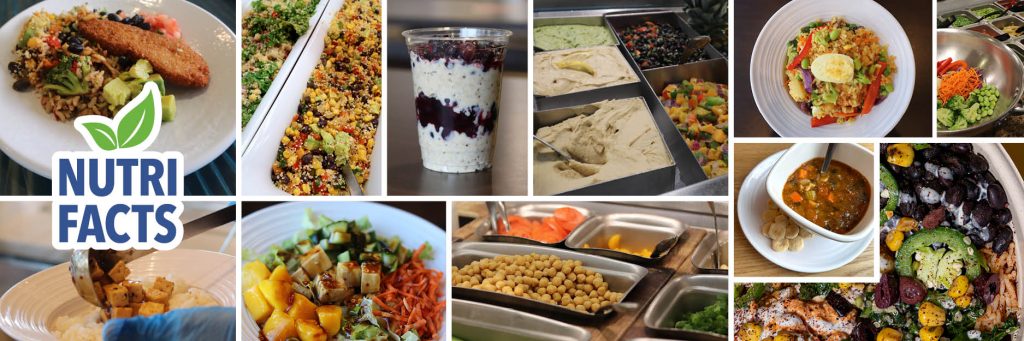
Click the image above to learn where you can find whole grains on campus.
Fiber
Most people consume only about one-third of the fiber they need each day, yet fiber remains one of the most effective tools for cardiovascular protection. Soluble fiber traps cholesterol in the gut, supports healthy gut bacteria, and reduces blood sugar spikes, which closely link to cardiometabolic disease risk.
Foods rich in soluble fiber include oats, beans, peas, apples, bananas, avocado, citrus fruits, carrots, barley, and psyllium.
Berries
Berries—especially blueberries—contain anthocyanins, powerful antioxidants that help keep blood vessels flexible and reduce heart attack risk. Large population studies show that higher intake of these compounds is associated with significant cardiovascular protection. Berries also have a low glycemic impact, making them supportive of both blood sugar balance and heart health.
Understanding Heart-Healthy Fats
Dietary fat has long been misunderstood, but current evidence tells a more nuanced story.
Polyunsaturated fats—especially omega-3 fatty acids from fatty fish such as salmon, mackerel, and sardines—reduce inflammation, lower triglycerides, and significantly reduce the risk of coronary events, even with just 1–2 servings per week. Guests can find high omega-3 fish served on campus at least twice each week across various locations and meal periods.
Monounsaturated fats, found in olive oil, olives, avocados, and many nuts, improve cholesterol balance and support healthy blood vessels.
Saturated fats tend to raise both LDL and HDL cholesterol, resulting in a more neutral overall effect. However, not all saturated fats behave the same. Small amounts of plant-based saturated fats, such as coconut, fit into a balanced eating pattern, while excess saturated animal fats show a stronger association with cardiometabolic risk.
What matters most is what replaces saturated fat. Replacing it with refined carbohydrates worsens heart health, while replacing it with unsaturated fats improves outcome.
Myth-Busting: Are Eggs Off the Table?
Eggs have long received blame for heart disease because of their cholesterol content. Current research shows that the liver produces most blood cholesterol, and refined carbohydrates and added sugars influence cholesterol levels more strongly than dietary cholesterol.
According to the Cardiometabolic Food Plan, individuals with cardiovascular disease can safely include eggs daily. Eggs provide high-quality protein, beneficial fats, and choline, a nutrient that supports mood and cognition. Those with type 2 diabetes may benefit from limiting intake to fewer than seven eggs per week, or about one per day.
Heart-Healthy Grab-and-Go Options on Campus
Eating for heart health does not require extra time when thoughtful options are readily available across campus.
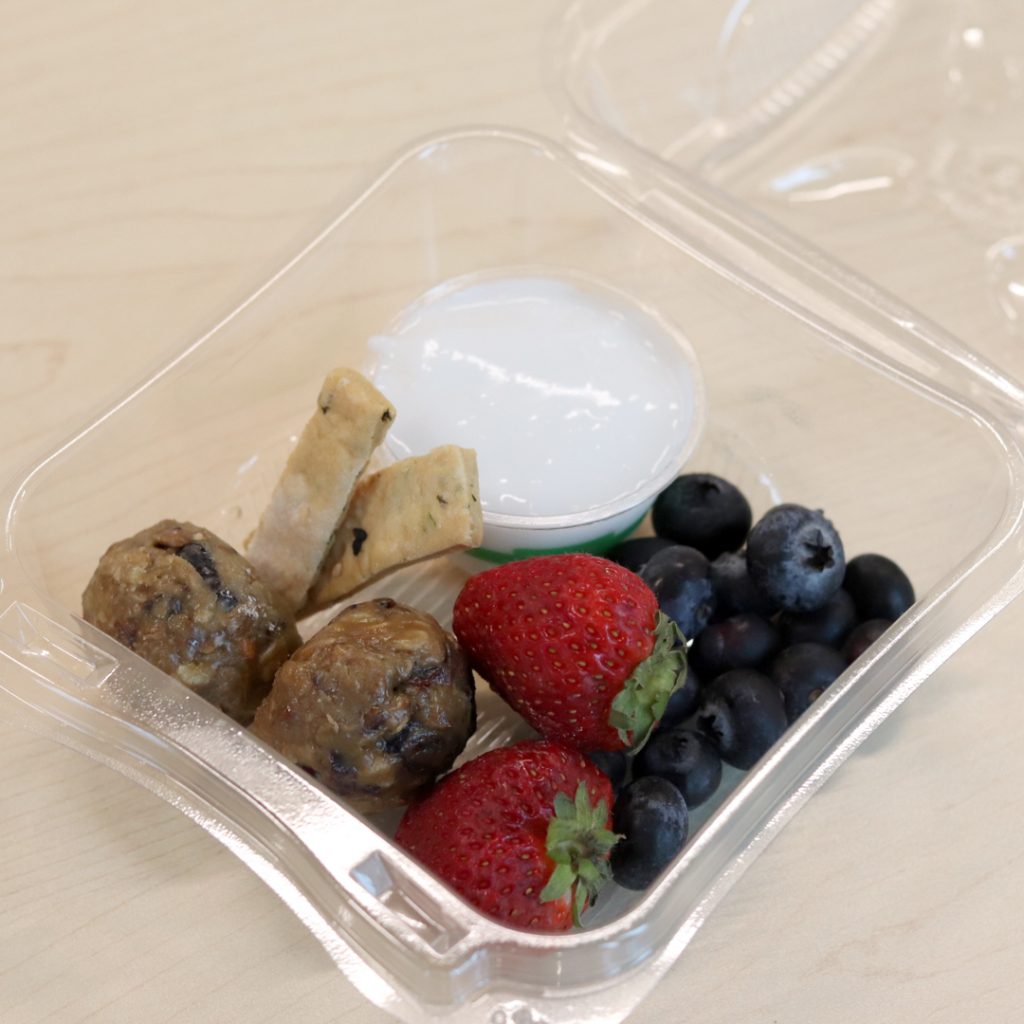
Smart Snacks Boxes (available at grab-and-go retail locations)
These boxes combine fiber, healthy fats, and high-quality protein in balanced portions. Options include antioxidant-rich berries paired with seeds, fiber-focused combinations featuring guacamole and edamame, and protein-forward choices that include eggs, hummus, and vegetables to support blood sugar balance and satiety.

Hummus and Grilled Vegetable Wrap (available at grab-and-go retail locations)
This wrap delivers 10 grams of fiber and 22 grams of protein with no added sugar. Its potassium-rich ingredients support healthy blood pressure, while colorful vegetables provide phytonutrients that reduce inflammation and support blood vessel health.

Berry Smoothie (available at Mary’s)
This smoothie combines soy milk, berries, spinach, flax and chia seeds, and pea protein to deliver omega-3 fats, fiber, antioxidants, and plant-based protein. These nutrients consistently show benefits for cardiovascular and metabolic health. Guests may add honey for sweetness, making the smoothie vegetarian rather than vegan.
Building Heart Health One Choice at a Time
Heart health grows from daily habits. Research consistently shows that emphasizing whole foods—fiber-rich plants, healthy fats, antioxidant-rich fruits, and high-quality proteins—supports cardiovascular health across the lifespan.
This February, National Heart Health Month invites our campus community to nourish heart health through informed, accessible food choices, one meal and one snack at a time.

Written by Heather Carrera
Nutrition & Wellness Manager, DCN, MS, CNS, CDN
For personalized nutrition support, contact Nutrition & Wellness Manager, Heather Carrera, DCN, MS, CNS, CDN: carrera@geneseo.edu. Book a one-on-one session with Heather here.