Written by Heather Carrera, Nutrition & Wellness Manager, Heather Carrera, DCN, MS, CNS, CDN
October invites reflection. As autumn deepens—with changing leaves and shorter days—our thoughts often turn inward toward our habits, health, and the impact we make on the world. With World Mental Health Day on October 10, this month is the perfect time to consider how our food choices influence both our mental state and the planet. By making intentional choices, we can support mental health, nourish our bodies, and reduce our ecological footprint all at once.
Plant-Based Eating for a Sustainable Future
The 2025–2030 Dietary Guidelines for Americans won’t be published until the end of the year, but the 2024 scientific report already signals a shift: more plant-based proteins and fewer animal proteins. Nutrient-dense options like beans, peas, and lentils provide essential fiber, vitamins, and minerals while supporting sustainability.
The report also emphasizes variety, especially with locally grown produce. Eating a diverse mix of fruits and vegetables enhances nutrition, supports local farmers, and reduces environmental impact. Local produce usually travels a shorter distance, retaining more nutrients by the time it reaches your plate. Incorporating these foods boosts immunity, energy, and overall well-being.
Producing plant-based foods typically requires fewer natural resources and emits fewer greenhouse gases than animal-based foods. For example, beans and lentils use far less water and land than beef. By prioritizing vegetables, fruits, legumes, and grains, you can shrink your environmental footprint. Small swaps—like beans instead of beef in chili, tempeh in tacos, hummus in wraps, or veggie-forward entrées a few times a week—add up to meaningful change.
Additionally, eating more plants doesn’t just benefit the environment—it also has profound effects on how we feel, mentally and emotionally.
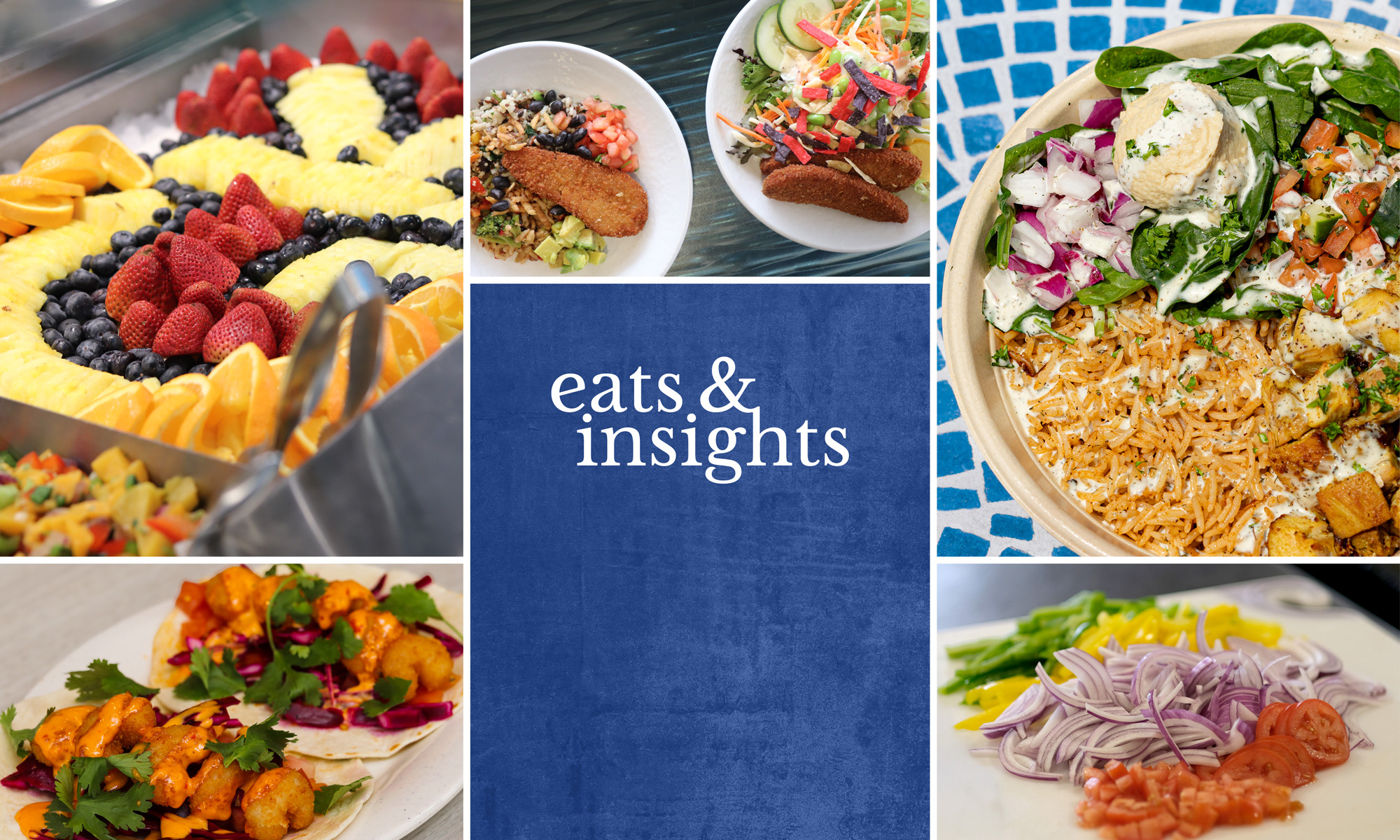
A great place to enjoy a plant-based, nutrient-dense meal is at Twisted Fork in Red Jacket. Here, you’ll find made-to-order Poke Bowls—fresh, customizable options featuring crispy cucumber, crunchy carrots, and sweet mango. Choose tofu to keep it fully plant-based, or add tuna for an omega-3 boost. Finished with sesame seeds and garlic, these bowls are as nutritious as they are flavorful.
Fiber and Mental Health
Nutrition strongly influences brain function and emotional well-being, and fiber plays a key role.
Fiber—naturally found in vegetables, fruits, legumes, nuts, seeds, and whole grains—has been linked to improvements in mood and cognitive health. The gut communicates with the brain through the gut-brain axis, and a healthy microbiome produces neurotransmitters and other compounds that affect mood, stress response, and resilience.
Plant-based diets provide plenty of fiber, making them a valuable tool for mental wellness. Meals high in vegetables, beans, whole grains, and certain fruits give the fiber your body and brain need to function optimally. Pairing these eating habits with regular movement, good sleep, and social connection further enhances emotional well-being. Even small steps—like adding an extra serving of vegetables at lunch, mixing berries into oatmeal, or choosing whole grains—can improve mood and stress management over time.
Where Sustainability, Healthy Eating, and Mental Health Meet
Sustainability, nutrition, and mental health connect more closely than ever. Plant-focused meals support the environment, supply essential nutrients, and improve mental health through fiber-rich foods. Mindful eating—paying attention to flavors, textures, and fullness—also strengthens the mind-body connection, making meals more satisfying.
5 Simple Steps You Can Take This October
- Go plant-based one day a week. Even a single day of plant-based meals lowers your footprint and boosts your intake of fiber and micronutrients. It may also inspire you to try new recipes.
- Add more fiber to every meal. Toss beans into soups and salads, choose whole grains, snack on fruits and veggies, or add seeds like chia and flax to oatmeal or smoothies.
- Explore new plant foods. Variety keeps meals exciting and supports nutrition. Try the Greens and Grains Bowls at Arugula in Letchworth, a stir-fry at Lotus in MJ, or a pea-protein Beyond Burger at any campus grill.
- Practice mindful eating. Slow down, savor each bite, and notice hunger and fullness cues. Even one mindful meal a day makes a difference.
- Plan ahead. Prepping food makes plant-based, fiber-rich eating easier on busy days. Cook quinoa on the weekend, keep canned beans ready, store fruit in a visible spot, and keep cut vegetables handy for quick snacks.
Smart Snacks: Fuel for Body and Mind
Looking for a convenient way to stay energized and focused? Smart Snacks were designed to do just that. Each box delivers science-backed nutrition for focus, energy, and well-being—all in one ready-to-go pack.
You can choose from three varieties at Books & Bites, with rotating options also available in Easy Meals machines across campus (Letchworth, Red Jacket, and Milne):

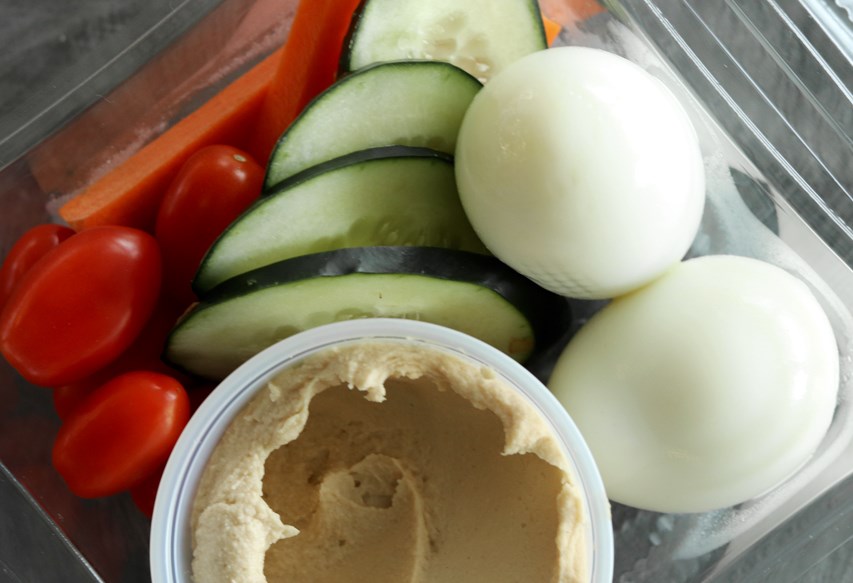
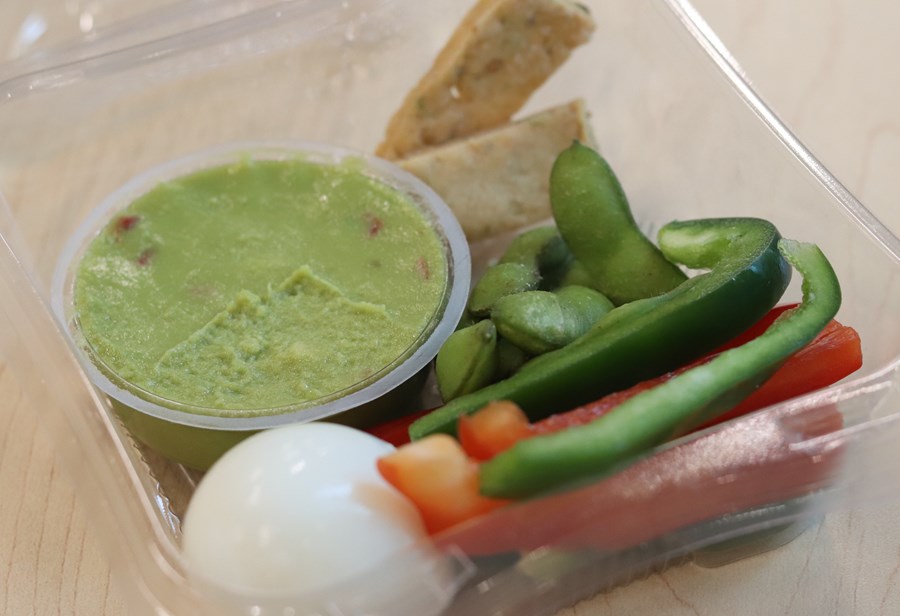
Antioxidant Power Pack
Heart, Brain, & Skin
Brain Boost Box
Mood, Memory, & Focus
Fiber Focus Box
Gut, Eye, & Immunity
Pairing Smart Snacks with your favorite coffee makes a powerful combo—fueling both your physical and mental health throughout the day.
Final Thoughts
Every intentional choice—adding more fiber, trying a plant-based recipe, or practicing mindful eating—supports your health, your mind, and the planet.
Remember, progress matters more than perfection. Falling short of a goal doesn’t mean failure; it means growth and change are in motion. Small, consistent shifts lead to lasting impact.
As you move through this reflective month, consider how each meal can serve as an act of care—for yourself, for the planet, and for your mental well-being.
References
Saghafian, F., Hajishafiee, M., Rouhani, P., & Saneei, P. (2023). Dietary fiber intake, depression, and anxiety: a systematic review and meta-analysis of epidemiologic studies. Nutritional neuroscience, 26(2), 108–126. https://doi.org/10.1080/1028415X.2021.2020403
Hammad, N. M., Colby, S. E., Zhou, W., Mathews, A. E., & Olfert, M. D. (2025). Mindful eating and diet quality among US adults with lower incomes. Journal of the Academy of Nutrition and Dietetics, 125(4), 528–536. https://www.jandonline.org/article/S2212-2672(24)00986-9/fulltext?utm_source=chatgpt.com
Carey, C. N., Paquette, M., Sahye-Pudaruth, S., Dadvar, A., Dinh, D., Khodabandehlou, K., Liang, F., Mishra, E., Sidhu, M., Brown, R., Tandon, S., Wanyan, J., Bazinet, R. P., Hanley, A. J., Malik, V., Sievenpiper, J. L., & Jenkins, D. J. (2023). The Environmental Sustainability of Plant-Based Dietary Patterns: A Scoping Review. The Journal of nutrition, 153(3), 857–869. https://doi.org/10.1016/j.tjnut.2023.02.001

Written by Heather Carrera
Nutrition & Wellness Manager, Heather Carrera, DCN, MS, CNS, CDN
For personalized nutrition support, contact Nutrition & Wellness Manager, Heather Carrera, DCN, MS, CNS, CDN: carrera@geneseo.edu. Book a one-on-one session with Heather here.