Sleep, Stress, and Nutrition: How They Work Together

Written by Heather Carrera, Nutrition & Wellness Manager, DCN, MS, CNS, CDN

Sleep and stress influence each other in powerful ways, and nutrition plays a key role in regulating both.

Late nights, irregular meal patterns, caffeine dependence, and high academic or work demands can disrupt the body’s natural rhythms. Understanding how sleep, stress, adrenal function, and nutrition interact can help you make small changes that support better energy, focus, and overall well-being.


Sleep does far more than provide rest. During sleep, the body performs critical maintenance that supports nearly every system.

Adequate sleep helps regulate:
  • Appetite and metabolism
  • Immune function
  • Mood and mental health
  • Cognitive performance and memory
  • Energy production
  • Cellular repair and detoxification

Sleep occurs in cycles lasting about 90 minutes, moving through stages that support both physical and mental restoration. Deep sleep supports immune and muscle recovery, while REM sleep supports memory and emotional processing.

When sleep is consistently disrupted—whether from short sleep duration or waking during the night—these processes are compromised. Over time, poor sleep is linked to increased cravings for sugary foods, reduced concentration, and a higher risk of illness.


The circadian rhythm controls your sleep-wake cycle and responds primarily to light and darkness.

As evening approaches and light decreases, the brain releases melatonin, a hormone that signals the body it is time to sleep. At the same time, cortisol (often called the “stress hormone”) gradually declines, allowing us to feel sleepy.

These hormones work in opposition:
  • Melatonin rises → cortisol should be low
  • Cortisol is not a darkness hormone, melatonin is

College routines can disrupt this cycle. Late-night screen use, irregular sleep schedules, and stress can all interfere with natural hormone patterns.


Stress activates the hypothalamic–pituitary–adrenal (HPA) axis, which regulates cortisol release. Over time, chronic stress may also contribute to adrenal disregulation, where the body struggles to utilize cortisol effectively to manage blood sugar, and instead relies on its backup system-adrenaline.

This may lead to:
  • Difficulty falling asleep
  • Light or interrupted sleep
  • Waking feeling unrested

It’s worth noting that the term “adrenal fatigue” is controversial in the medical community and is not a formally recognized diagnosis. However, research clearly shows that chronic stress can disrupt normal cortisol rhythms and the body’s stress-response system.

This can contribute to:
  • Fatigue
  • Sleep disturbances
  • Difficulty managing stree

Cortisol is a sleep maintenance hormone at night, and its backup is adrenaline, so when blood sugar is disregulated, it can cause the body to use adrenaline instead and it wakes us up.


Blood sugar regulation plays a key role in sleep quality.

During sleep, the body maintains stable blood glucose levels for 10–12 hours without food. Cortisol helps release stored glucose to support this process.

However, certain eating patterns can disrupt this balance:
  • High sugar intake before bed can lead to spikes and crashes.
  • Skipping meals may result in low blood sugar at night.
  • Irregular eating patterns increase stress on the body’s hormone regulation.

When blood sugar drops too low overnight, the body releases cortisol—often waking you up. Frequent nighttime waking may be linked to these fluctuations.


Small changes in nutrition can help improve sleep quality.

Eat Balanced Meals: Combine protein, healthy fats, and fiber-rich carbohydrates to support stable blood sugar.

Examples:
  1. Eggs with whole grain toast and avocado.
  2. Chicken or tofu with quinoa and vegetables.
  3. Greek yogurt with nuts and fruit.

Choose Slow-Digesting Carbohydrates at Dinner: Foods like oats, brown rice, quinoa, and sweet potatoes help maintain blood sugar overnight.

Support Neurotransmitter Production: Certain nutrients are involved in the regulation of sleep.

Examples:
  • Protein provides tryptophan for serotonin and melatonin production.
  • Magnesium and zinc support calming neurotransmitter signaling.
  • Vitamin D and iron deficiencies may reduce sleep quality. Consider having your levels tested, and supplementing if deficiency exists.

Be Mindful of Caffeine: Caffeine can linger in the body for hours. Limiting intake later in the day may support better sleep.


Lifestyle habits also play an important role:
  • Keep a consistent sleep schedule
  • Reduce screen time before bed
  • Create a cool, dark, quiet sleep environment
  • Get natural sunlight in the morning

Research suggests a key window for restorative sleep occurs between 10:30 p.m. and 2:30 a.m., when many repair processes take place.


Sleep and stress are closely connected, and nutrition supports both.

Poor sleep can increase stress hormones and cravings, while high stress and unstable blood sugar can disrupt sleep.

For college students, improving sleep does not require drastic changes. Small steps—like eating balanced meals, managing stress, and building consistent routines—can support both physical and mental well-being.


Heather Carrera, Nutrition & Wellness Manager for Campus Auxiliary Services

Written by Heather Carrera
Nutrition & Wellness Manager, DCN, MS, CNS, CDN

For personalized nutrition support, contact Nutrition & Wellness Manager, Heather Carrera, DCN, MS, CNS, CDN: carrera@geneseo.edu. Book a one-on-one session with Heather here.
Nutrition Literacy in the Age of Social Media

Written by Heather Carrera, Nutrition & Wellness Manager, DCN, MS, CNS, CDN

Yet today’s digital landscape often shapes nutrition information more through social media algorithms, viral trends, and personal anecdotes than through science. Platforms like TikTok, Instagram, and podcasts make nutrition feel accessible — but they also make it harder to distinguish accurate guidance from oversimplified or misleading claims.

Developing the skills to evaluate nutrition information critically has never been more important.

Social media thrives on short, emotionally engaging content — not nuance.

Creators often reduce complex nutrition science to bold statements like “carbs are bad,” “sugar is toxic,” or “protein-infused everything is healthy.” These messages spread quickly because they are simple and memorable, but they rarely provide complete or accurate context.

Personal anecdotes feel especially persuasive online. You may see a post or hear someone say, “This diet worked for me,” or “This supplement changed my life.” While these stories can feel convincing, they do not replace scientific evidence. What works for one person may not work for another due to differences in genetics, health status, or lifestyle.

Pause and ask yourself: Does this claim apply broadly, or does it reflect one individual’s experience?

Nutrition science relies on the total body of research, clinical expertise, and individual context. Social media often presents confident conclusions without acknowledging complexity or limitations.

Claims like “You must eat frequent small meals to boost metabolism” or “All dairy is inflammatory and bad for you” ignore decades of research showing that quantity, quality, and overall dietary patterns matter far more than the inclusion — or exclusion — of a single food.

Before accepting bold claims, consider whether the information reflects:

  • A single study
  • Cherry-picked data
  • Or a well-rounded understanding of nutrition research
Even a quick review of peer-reviewed research can reveal the nuance behind headlines and trends.

Health information literacy — the ability to find, understand, evaluate, and use health information — remains a vital skill, especially as AI and algorithms shape the content we see.

Personalized feeds can reinforce existing beliefs and create echo chambers that make misleading claims feel credible. AI-generated content can sound authoritative even when it is incomplete or incorrect.

Before sharing or acting on information, ask:

  • Where does this information come from?
  • Who conducted the research?
  • Who benefits if I follow this advice?
Taking a moment to reflect can prevent misinformation from guiding your choices.

Even a basic understanding of research design helps separate evidence from hype.

Peer-reviewed journals represent the gold standard for nutrition science, but even these studies have limitations.

When evaluating research, consider:

  • Study design: Was the research observational or experimental? Conducted in humans or animals?
  • Sample size: Did the study include enough participants for meaningful conclusions?
  • Funding sources: Could industry or financial interests influence the outcomes?
  • Acknowledged limitations: Did the authors discuss uncertainties or constraints?
Headlines and social media posts often skip these details, which can make findings appear more definitive than they truly are.

Not all health professionals receive the same level of nutrition training. Physicians and nurses bring expertise across many areas of health but often complete limited formal nutrition coursework. Registered Dietitians (RD) and Certified Nutrition Specialists (CNS) complete advanced training in nutrition science and clinical practice, which makes them reliable sources of evidence-based guidance.

Even experts can hold biases. Consider multiple perspectives and examine the evidence when possible.

Podcasts, blogs, and social media accounts run by qualified professionals can provide valuable information — especially when they cite sources, explain uncertainty, and avoid sweeping claims. Notice whether the content encourages critical thinking rather than quick fixes.


Cherry-picking occurs when someone selectively uses data to support a specific claim while ignoring the broader body of evidence.

Because nutrition research spans decades, it is often possible to find data supporting almost any argument. Communicators can also present statistics in misleading ways — emphasizing relative risk over absolute risk or presenting correlation as causation.

Approach sweeping claims built on a single study or statistic with caution.

In a world of constant information, discernment matters.

Rather than following viral trends or anecdotal advice, seek evidence-based sources and build your health information literacy skills.

Before trying a new diet, supplement, or wellness product, pause to ask:

  • Who provides this advice?
  • What evidence supports it?
  • Are limitations acknowledged?

These small reflections can prevent unnecessary stress, expense, or harm.

Nutrition does not need to be perfect to support health. It should remain flexible, leave room for enjoyment, and stay grounded in evidence.

By questioning information, recognizing potential bias, and prioritizing credible sources, students, faculty, and staff can develop a thoughtful approach to nutrition — one that supports both physical health and overall well-being.


Heather Carrera, Nutrition & Wellness Manager for Campus Auxiliary Services

Written by Heather Carrera
Nutrition & Wellness Manager, DCN, MS, CNS, CDN

For personalized nutrition support, contact Nutrition & Wellness Manager, Heather Carrera, DCN, MS, CNS, CDN: carrera@geneseo.edu. Book a one-on-one session with Heather here.

Eating for Heart Health

Heart-Healthy Snacks and Foods You Can Find on Campus

Written by Heather Carrera, Nutrition & Wellness Manager, DCN, MS, CNS, CDN

Heart disease does not develop overnight. Research shows that the physiological process behind cardiovascular disease—specifically the buildup of atherosclerotic plaque in the arteries—often begins in childhood and adolescence, decades before symptoms appear. The habits we build early, including how we eat as students, can significantly influence heart health later in life.

For faculty and staff, this same research reinforces an important message: it is never too early—or too late—to benefit from heart-healthy changes. Whether you are managing classes and campus life or balancing work, meetings, and family responsibilities, nutrition plays a central role in protecting heart health across the lifespan.

The encouraging news is that food can act medicinally. Research consistently shows that nutrition supports cardiovascular health, helps regulate cholesterol, and reduces inflammation. Rather than focusing on restriction, a heart-healthy eating pattern emphasizes expanding the variety of whole, minimally processed foods you eat each day. This approach aligns with the Institute for Functional Medicine’s Cardiometabolic Food Plan, which focuses on foods that work together to support both cardiovascular and metabolic health.


Extra Virgin Olive Oil and Olives

Extra virgin olive oil (EVOO) remains one of the most well-studied foods for cardiovascular protection. Regular intake improves blood vessel function and reduces inflammation without contributing to weight gain—even at higher intakes. These benefits come from polyphenols, which help prevent LDL (“bad”) cholesterol from oxidizing and reduce inflammation within blood vessels. Olives contain these same protective compounds and count as therapeutic foods for heart health.

Nuts and Seeds

Nuts and seeds provide a powerful combination of healthy fats, fiber, antioxidants, and plant sterols that bind cholesterol. Research shows that replacing saturated fat with 1–2 ounces of nuts per day can reduce LDL cholesterol by up to 19 percent while improving blood vessel function.

Ground flaxseed stands out for its benefits. Its omega-3 fats, fiber, and lignans help reduce blood pressure, improve blood sugar regulation, and lower markers of metabolic syndrome. Lignans act as antioxidants and anti-inflammatory compounds that protect blood vessels and help reduce plaque formation.

Whole Grains as Functional Foods

Whole grains such as oats and barley act as functional foods, meaning they do more than provide basic nutrients. Their soluble fiber binds cholesterol in the digestive tract and helps remove it from the body over time. This same fiber slows digestion, stabilizes blood sugar, and increases satiety—all important factors in heart health.

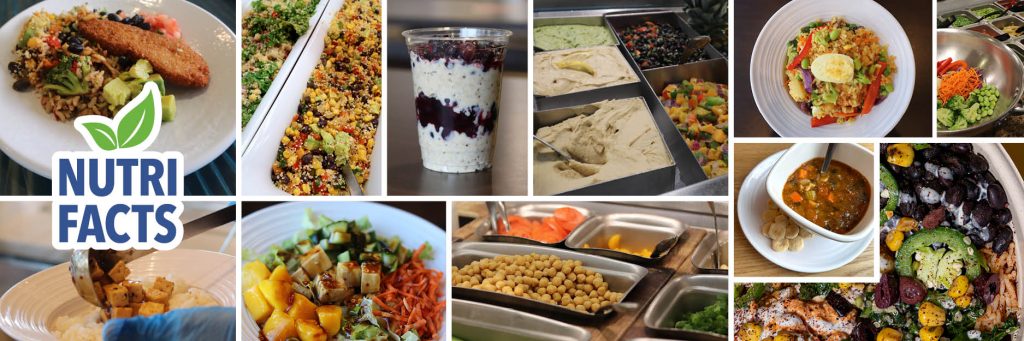
Nutrifacts Whole Grains & Legumes

Click the image above to learn where you can find whole grains on campus.

Fiber

Most people consume only about one-third of the fiber they need each day, yet fiber remains one of the most effective tools for cardiovascular protection. Soluble fiber traps cholesterol in the gut, supports healthy gut bacteria, and reduces blood sugar spikes, which closely link to cardiometabolic disease risk.

Foods rich in soluble fiber include oats, beans, peas, apples, bananas, avocado, citrus fruits, carrots, barley, and psyllium.

Berries

Berries—especially blueberries—contain anthocyanins, powerful antioxidants that help keep blood vessels flexible and reduce heart attack risk. Large population studies show that higher intake of these compounds is associated with significant cardiovascular protection. Berries also have a low glycemic impact, making them supportive of both blood sugar balance and heart health.


Dietary fat has long been misunderstood, but current evidence tells a more nuanced story.

Polyunsaturated fats—especially omega-3 fatty acids from fatty fish such as salmon, mackerel, and sardines—reduce inflammation, lower triglycerides, and significantly reduce the risk of coronary events, even with just 1–2 servings per week. Guests can find high omega-3 fish served on campus at least twice each week across various locations and meal periods.

Monounsaturated fats, found in olive oil, olives, avocados, and many nuts, improve cholesterol balance and support healthy blood vessels.

Saturated fats tend to raise both LDL and HDL cholesterol, resulting in a more neutral overall effect. However, not all saturated fats behave the same. Small amounts of plant-based saturated fats, such as coconut, fit into a balanced eating pattern, while excess saturated animal fats show a stronger association with cardiometabolic risk.

What matters most is what replaces saturated fat. Replacing it with refined carbohydrates worsens heart health, while replacing it with unsaturated fats improves outcome.


Eggs have long received blame for heart disease because of their cholesterol content. Current research shows that the liver produces most blood cholesterol, and refined carbohydrates and added sugars influence cholesterol levels more strongly than dietary cholesterol.

According to the Cardiometabolic Food Plan, individuals with cardiovascular disease can safely include eggs daily. Eggs provide high-quality protein, beneficial fats, and choline, a nutrient that supports mood and cognition. Those with type 2 diabetes may benefit from limiting intake to fewer than seven eggs per week, or about one per day.


Eating for heart health does not require extra time when thoughtful options are readily available across campus.

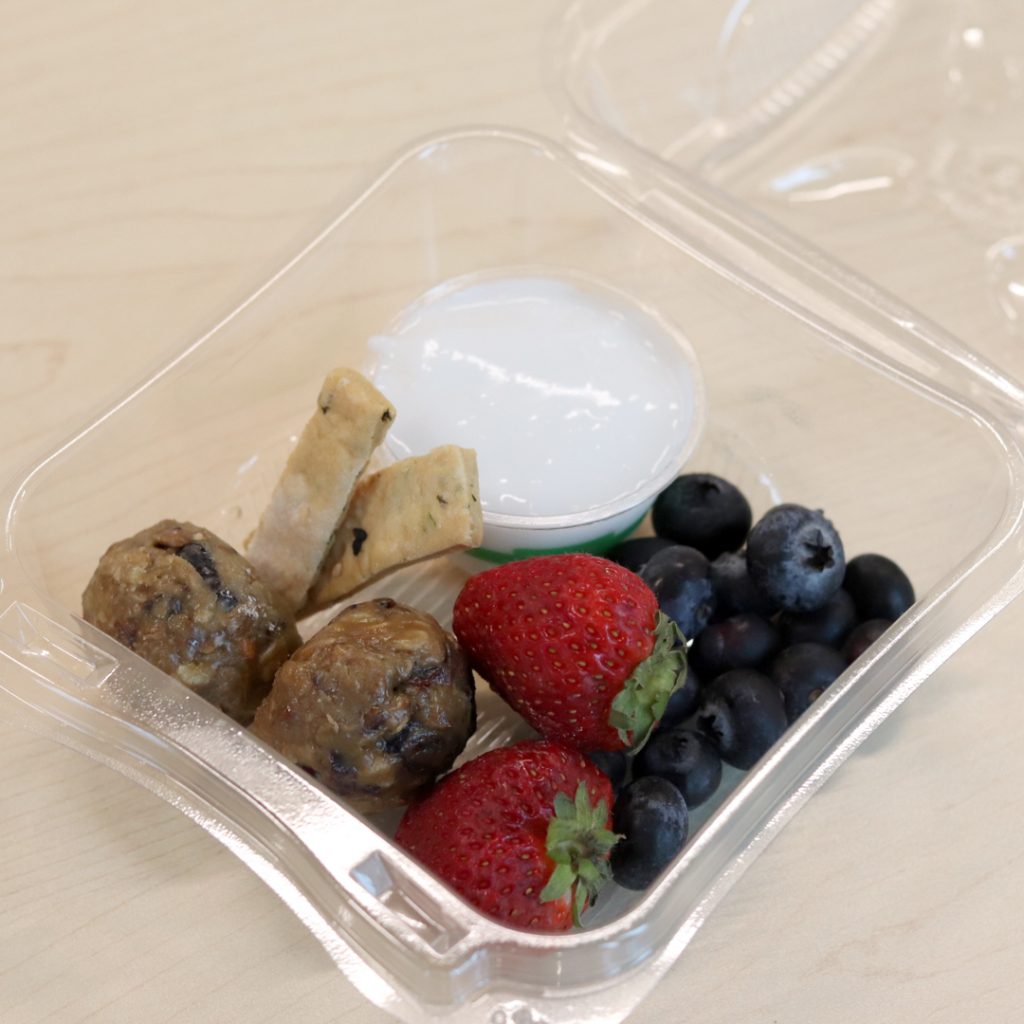
Smart Snacks Boxes (available at grab-and-go retail locations)

These boxes combine fiber, healthy fats, and high-quality protein in balanced portions. Options include antioxidant-rich berries paired with seeds, fiber-focused combinations featuring guacamole and edamame, and protein-forward choices that include eggs, hummus, and vegetables to support blood sugar balance and satiety.

Hummus and Grilled Vegetable Wrap (available at grab-and-go retail locations)

This wrap delivers 10 grams of fiber and 22 grams of protein with no added sugar. Its potassium-rich ingredients support healthy blood pressure, while colorful vegetables provide phytonutrients that reduce inflammation and support blood vessel health.

Berry Smoothie (available at Mary’s)

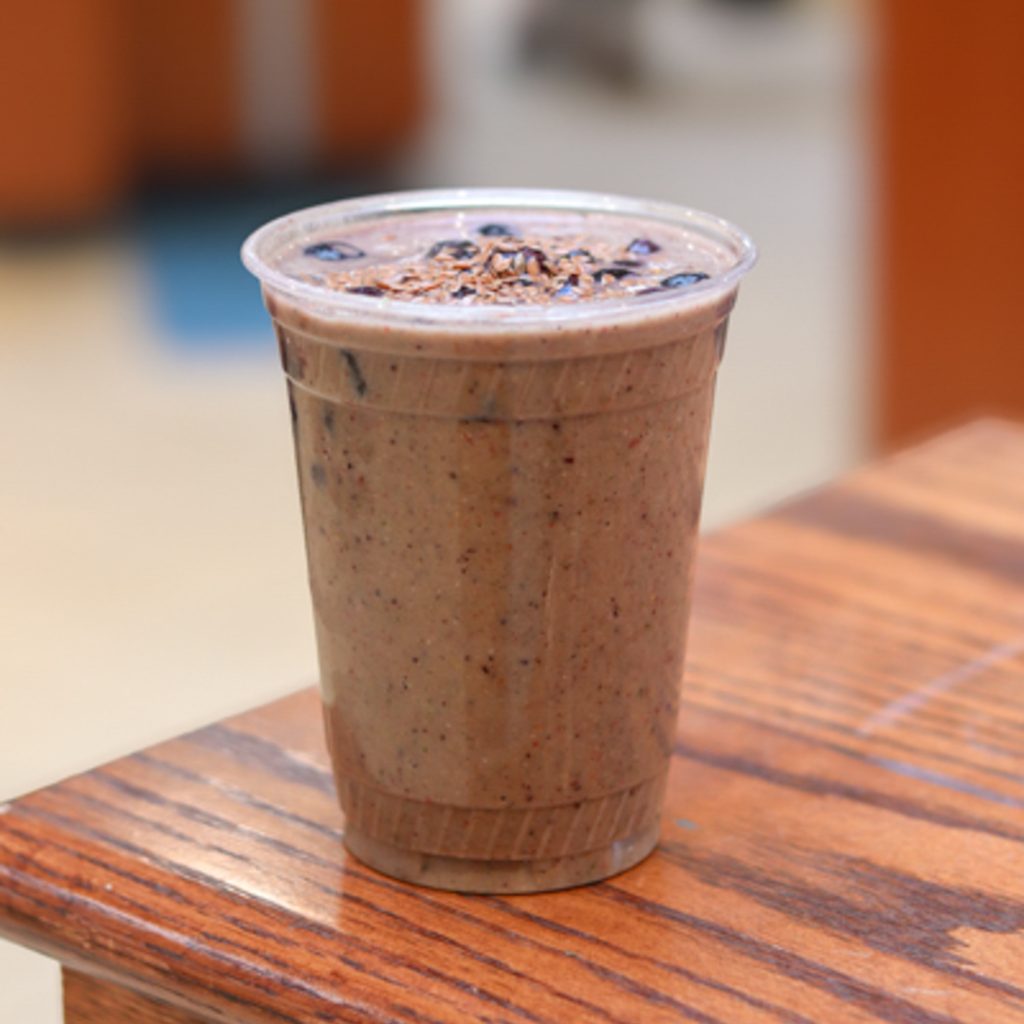
This smoothie combines soy milk, berries, spinach, flax and chia seeds, and pea protein to deliver omega-3 fats, fiber, antioxidants, and plant-based protein. These nutrients consistently show benefits for cardiovascular and metabolic health. Guests may add honey for sweetness, making the smoothie vegetarian rather than vegan.


Heart health grows from daily habits. Research consistently shows that emphasizing whole foods—fiber-rich plants, healthy fats, antioxidant-rich fruits, and high-quality proteins—supports cardiovascular health across the lifespan.

This February, National Heart Health Month invites our campus community to nourish heart health through informed, accessible food choices, one meal and one snack at a time.


Heather Carrera, Nutrition & Wellness Manager for Campus Auxiliary Services

Written by Heather Carrera
Nutrition & Wellness Manager, DCN, MS, CNS, CDN

For personalized nutrition support, contact Nutrition & Wellness Manager, Heather Carrera, DCN, MS, CNS, CDN: carrera@geneseo.edu. Book a one-on-one session with Heather here.
How to Do Your Own End-of-Year Personal Health & Wellness Audit

Written by Heather Carrera, Nutrition & Wellness Manager, DCN, MS, CNS, CDN

As the semester winds down and the year wraps up, take a moment to check in—not just on grades, deadlines, or work projects—but on yourself.

Think of this as your personal health audit: a quick, holistic self-assessment before the new year begins. No resolutions required—just awareness, reflection, and a plan to move into the next semester feeling stronger, calmer, and more energized.

The best part? These mini “tests” can be done anywhere, anytime—in your residence hall, apartment, office, or even outdoors on a campus walk. They’re simple, accessible ways to evaluate your well-being, no equipment or gym membership required.

1. Physical Health
2. Mental & Emotional Health
3. Metabolic & Nutritional Health

Each includes short, science-based check-ins to help you understand where you are right now and what small changes can support your overall balance—on and off campus.


What it’s about: Your body’s ability to perform, recover, and support your daily life—whether that’s walking across campus, climbing dorm stairs, carrying groceries, or powering through a full day of classes and activities.

  • Can you complete daily activities without pain or fatigue?
  • Do you regularly challenge your strength, mobility, and endurance—or have those areas plateaued?
  • How quickly does your body recover from exercise or stress?

    Try These Mini Tests:

Push-Up Strength Test (Upper Body Strength): Do as many full push-ups (chest close to the floor, body in a straight line) as possible without breaking form.

Benchmarks:

  • Men: 10–20 = needs improvement | 20–35 = good | 36+ = excellent
  • Women: 5–15 = needs improvement | 16–30 = good | 31+ = excellent

Wall Sit Challenge (Lower Body Strength & Endurance): Stand with your back against a wall and knees bent at 90°. Hold the position as long as possible.

Benchmarks:

  • <30 sec = needs improvement
  • 30–60 sec = functional
  • 60–90 sec = good
  • 90+ sec = excellent

3-Minute Step Test (Cardiorespiratory Fitness): Step up and down on a 12-inch step (or sturdy bench) at a steady pace—24 steps per minute—for three minutes. Immediately after, measure your pulse for one full minute.

Benchmarks (Heart Rate Recovery):

  • <85 bpm = excellent
  • 86–100 bpm = good
  • 101–120 bpm = fair
  • 120 bpm = needs improvement

What it’s about: Your ability to handle stress, regulate emotions, and maintain meaningful connections—both with others and with yourself.

Audit Questions:

  • When was the last time you felt truly relaxed or present?
  • How often do you feel overwhelmed, anxious, or burnt out?
  • Who do you turn to for support, and how often do you connect with them?

Try These Mini Tests:

The 3-Minute Pause Test: Set a timer for three minutes and do absolutely nothing—no phone, no music. Notice what comes up: restlessness, calm, or tension. This simple test reveals your current stress baseline.


The Connection Challenge: Reach out to one person you haven’t connected with lately—send a quick message, text, or note just to say hi. Notice how it feels to reconnect: gratitude, warmth, or renewed energy often follow.


Sleep Quality Scan: Ask yourself: How often do I wake up feeling rested?
Sleep is often the first signal of emotional overload. If you’re constantly tired, your stress levels may be higher than you realize.


What it’s about: How your body processes food, maintains energy, and relates to nourishment.

Audit Questions:

  • How often do you eat balanced meals with protein, healthy fats, and fiber?
  • Do you experience frequent energy crashes, sugar cravings, or bloating after meals?
  • Are you eating mindfully, or multitasking through most meals?

Try These Mini Tests:

Meal-to-Energy Test: After eating a balanced meal, check in with your energy 1–2 hours later.

  • Steady energy: your meal worked for you.
  • Sluggish or sleepy: your meal may have been too carb-heavy or low in protein.

Color Count Challenge: Track how many colors (fruits and vegetables) you eat in one day.
Aim for five or more—each represents unique vitamins, minerals, and antioxidants.


Mindful Bite Test: Choose one meal this week to eat with no distractions. Notice the flavors, textures, and how your body feels mid-meal. This simple practice can reveal how in tune you are with your hunger and fullness cues.


Create a quick Wellness Audit Sheet with three columns—Physical, Mental/Emotional, and Metabolic. Rate each area from 1–10 based on how satisfied you feel right now.

Then circle one small action to improve each area before the semester ends. Examples:

  • Take a 20-minute walk three times a week.
  • Have lunch with a friend once a week.
  • Add one colorful fruit or vegetable to every meal.

This isn’t about judgment—it’s about awareness and small, sustainable progress.


Heather Carrera, Nutrition & Wellness Manager for Campus Auxiliary Services

Written by Heather Carrera
Nutrition & Wellness Manager, Heather Carrera, DCN, MS, CNS, CDN

For personalized nutrition support, contact Nutrition & Wellness Manager, Heather Carrera, DCN, MS, CNS, CDN: carrera@geneseo.edu. Book a one-on-one session with Heather here.

Diabetes Awareness Month: 7 Practical Tips for Steady Energy and Balanced Blood Sugar

Written by Heather Carrera, Nutrition & Wellness Manager, Heather Carrera, DCN, MS, CNS, CDN

November is National Diabetes Month—a time to raise awareness about how our daily food choices affect blood sugar, energy, focus, and long-term health. For college students juggling classes, work, and social life, understanding how to keep blood sugar stable is essential—not just for preventing Type 2 Diabetes, but also for supporting mood, concentration, and healthy weight.


Not all carbohydrates are created equal. Refined carbohydrates, like white bread, pastries, and sweetened drinks, digest quickly and cause spikes in blood sugar followed by crashes. These fluctuations can lead to fatigue, irritability, and sugar cravings.

Whole grains—such as brown rice, quinoa, oats, and barley—digest more slowly. They provide a steady release of glucose, helping maintain consistent energy and focus throughout the day.

Adding protein (chicken, tofu, beans) and healthy fats (avocado, olive oil, seeds) slows digestion, reduces blood sugar spikes, and keeps you fuller longer. This combination also supports muscle repair and overall satiety—essential for students balancing classes and activity.

Non-starchy vegetables are high in fiber, vitamins, and minerals but low in calories and the type of carbohydrates that spike blood sugar. They slow glucose absorption and support long-term insulin sensitivity.

Liquid sugars—like sodas, energy drinks, sweetened coffee beverages, and even 100% fruit juices—absorb almost immediately, causing rapid blood sugar spikes. Snacks like candy, granola bars with added sugar, or packaged desserts can have the same effect.

Smoothies can be convenient and nutritious, but they can also lead to blood sugar spikes if not balanced properly. To create a blood sugar-friendly smoothie:

  • Include a mix of fruits and vegetables (e.g., spinach with berries)
  • Add a source of protein (e.g., protein powder, Greek yogurt)
  • Incorporate healthy fats (e.g., flax seeds, chia seeds, coconut)

Insulin doesn’t just regulate blood sugar—it also acts as a fat storage hormone. When insulin levels stay high due to frequent sugar spikes, the body stores more fat, even when calorie intake remains moderate.

Stable blood sugar levels are about more than diabetes prevention—they influence mood, energy, and focus every day. Big blood sugar swings can lead to:

  • Midday fatigue or “brain fog”
  • Irritability or mood swings
  • Difficulty concentrating
  • Strong sugar cravings

By contrast, balanced meals help you stay alert, focused, and emotionally steady throughout the day—perfect for busy college life.


National Diabetes Month is a great time to reassess your habits and make choices that stabilize blood sugar and improve daily wellness. By following these seven strategies—which reflect the principles of the Mediterranean diet—you can:

  • Maintain steady energy and focus
  • Support healthy weight management
  • Reduce the risk of prediabetes and type 2 diabetes
  • Promote long-term health for your heart, brain, and metabolism

Remember, your plate is one of the most powerful tools for both immediate energy and lifelong health. Start small, make intentional choices, and explore the many blood sugar–friendly options available right here on campus.


References

Uusitupa M, et al. Prevention of Type 2 Diabetes by Lifestyle Changes. PMC. 2019. Link

Martín-Peláez S, et al. Mediterranean Diet Effects on Type 2 Diabetes Prevention. PMC. 2020. Link

Penckofer S, et al. Does Glycemic Variability Impact Mood and Quality of Life? PMC. 2012. Link

Zhang L, et al. Association Between Dietary Sugar Intake and Depression in U.S. Adults. PMC. 2024. Link

Heather Carrera, Nutrition & Wellness Manager for Campus Auxiliary Services

Written by Heather Carrera
Nutrition & Wellness Manager, Heather Carrera, DCN, MS, CNS, CDN

For personalized nutrition support, contact Nutrition & Wellness Manager, Heather Carrera, DCN, MS, CNS, CDN: carrera@geneseo.edu. Book a one-on-one session with Heather here.

Eating for the Planet and Your Mind

Written by Heather Carrera, Nutrition & Wellness Manager, Heather Carrera, DCN, MS, CNS, CDN

October invites reflection. As autumn deepens—with changing leaves and shorter days—our thoughts often turn inward toward our habits, health, and the impact we make on the world. With World Mental Health Day on October 10, this month is the perfect time to consider how our food choices influence both our mental state and the planet. By making intentional choices, we can support mental health, nourish our bodies, and reduce our ecological footprint all at once.

The 2025–2030 Dietary Guidelines for Americans won’t be published until the end of the year, but the 2024 scientific report already signals a shift: more plant-based proteins and fewer animal proteins. Nutrient-dense options like beans, peas, and lentils provide essential fiber, vitamins, and minerals while supporting sustainability.

The report also emphasizes variety, especially with locally grown produce. Eating a diverse mix of fruits and vegetables enhances nutrition, supports local farmers, and reduces environmental impact. Local produce usually travels a shorter distance, retaining more nutrients by the time it reaches your plate. Incorporating these foods boosts immunity, energy, and overall well-being.

Producing plant-based foods typically requires fewer natural resources and emits fewer greenhouse gases than animal-based foods. For example, beans and lentils use far less water and land than beef. By prioritizing vegetables, fruits, legumes, and grains, you can shrink your environmental footprint. Small swaps—like beans instead of beef in chili, tempeh in tacos, hummus in wraps, or veggie-forward entrées a few times a week—add up to meaningful change.

Additionally, eating more plants doesn’t just benefit the environment—it also has profound effects on how we feel, mentally and emotionally.

Nutrition strongly influences brain function and emotional well-being, and fiber plays a key role.

Fiber—naturally found in vegetables, fruits, legumes, nuts, seeds, and whole grains—has been linked to improvements in mood and cognitive health. The gut communicates with the brain through the gut-brain axis, and a healthy microbiome produces neurotransmitters and other compounds that affect mood, stress response, and resilience.

Plant-based diets provide plenty of fiber, making them a valuable tool for mental wellness. Meals high in vegetables, beans, whole grains, and certain fruits give the fiber your body and brain need to function optimally. Pairing these eating habits with regular movement, good sleep, and social connection further enhances emotional well-being. Even small steps—like adding an extra serving of vegetables at lunch, mixing berries into oatmeal, or choosing whole grains—can improve mood and stress management over time.

Sustainability, nutrition, and mental health connect more closely than ever. Plant-focused meals support the environment, supply essential nutrients, and improve mental health through fiber-rich foods. Mindful eating—paying attention to flavors, textures, and fullness—also strengthens the mind-body connection, making meals more satisfying.

  1. Go plant-based one day a week. Even a single day of plant-based meals lowers your footprint and boosts your intake of fiber and micronutrients. It may also inspire you to try new recipes.
  2. Add more fiber to every meal. Toss beans into soups and salads, choose whole grains, snack on fruits and veggies, or add seeds like chia and flax to oatmeal or smoothies.
  3. Explore new plant foods. Variety keeps meals exciting and supports nutrition. Try the Greens and Grains Bowls at Arugula in Letchworth, a stir-fry at Lotus in MJ, or a pea-protein Beyond Burger at any campus grill.
  4. Practice mindful eating. Slow down, savor each bite, and notice hunger and fullness cues. Even one mindful meal a day makes a difference.
  5. Plan ahead. Prepping food makes plant-based, fiber-rich eating easier on busy days. Cook quinoa on the weekend, keep canned beans ready, store fruit in a visible spot, and keep cut vegetables handy for quick snacks.

Looking for a convenient way to stay energized and focused? Smart Snacks were designed to do just that. Each box delivers science-backed nutrition for focus, energy, and well-being—all in one ready-to-go pack.

You can choose from three varieties at Books & Bites, with rotating options also available in Easy Meals machines across campus (Letchworth, Red Jacket, and Milne):

Antioxidant Power Pack
Brain Boost Box
Fiber Focus Box

Pairing Smart Snacks with your favorite coffee makes a powerful combo—fueling both your physical and mental health throughout the day.

Every intentional choice—adding more fiber, trying a plant-based recipe, or practicing mindful eating—supports your health, your mind, and the planet.

Remember, progress matters more than perfection. Falling short of a goal doesn’t mean failure; it means growth and change are in motion. Small, consistent shifts lead to lasting impact.

As you move through this reflective month, consider how each meal can serve as an act of care—for yourself, for the planet, and for your mental well-being.


References

Saghafian, F., Hajishafiee, M., Rouhani, P., & Saneei, P. (2023). Dietary fiber intake, depression, and anxiety: a systematic review and meta-analysis of epidemiologic studies. Nutritional neuroscience, 26(2), 108–126. https://doi.org/10.1080/1028415X.2021.2020403  

Hammad, N. M., Colby, S. E., Zhou, W., Mathews, A. E., & Olfert, M. D. (2025). Mindful eating and diet quality among US adults with lower incomes. Journal of the Academy of Nutrition and Dietetics, 125(4), 528–536. https://www.jandonline.org/article/S2212-2672(24)00986-9/fulltext?utm_source=chatgpt.com 

Carey, C. N., Paquette, M., Sahye-Pudaruth, S., Dadvar, A., Dinh, D., Khodabandehlou, K., Liang, F., Mishra, E., Sidhu, M., Brown, R., Tandon, S., Wanyan, J., Bazinet, R. P., Hanley, A. J., Malik, V., Sievenpiper, J. L., & Jenkins, D. J. (2023). The Environmental Sustainability of Plant-Based Dietary Patterns: A Scoping Review. The Journal of nutrition, 153(3), 857–869. https://doi.org/10.1016/j.tjnut.2023.02.001 

Heather Carrera, Nutrition & Wellness Manager for Campus Auxiliary Services

Written by Heather Carrera
Nutrition & Wellness Manager, Heather Carrera, DCN, MS, CNS, CDN

For personalized nutrition support, contact Nutrition & Wellness Manager, Heather Carrera, DCN, MS, CNS, CDN: carrera@geneseo.edu. Book a one-on-one session with Heather here.

Sipping Smart This September: Coffee, Caffeine, and Your Stress Response

Written by Heather Carrera, Nutrition & Wellness Manager, Heather Carrera, DCN, MS, CNS, CDN

starbucks pumpkin spice

The air smells of pumpkin spice, laptops glow late into the night, and coffee cups fill students’ hands as they hurry to class. September brings cooler weather, falling leaves, heavier workloads—and caffeine cravings. With the fall equinox here and National Coffee Day (September 29) around the corner, it’s the perfect time to ask: What’s your coffee doing to your brain, body, and stress levels?

Let’s break down the buzz: the benefits, the downsides, and how to make coffee work with you, not against you.


Coffee isn’t just a comforting ritual. It delivers caffeine, a natural stimulant that affects both mind and body. For students, caffeine often acts as an academic ally—helping with focus during long study sessions, boosting alertness in early (or late) classes, and sharpening concentration when deadlines loom.

But caffeine also interacts with the body’s stress systems. Knowing how it works can help you use it wisely.

Caffeine affects the hormonal stress system, particularly cortisol, often called the “stress hormone.” Cortisol helps mobilize energy and sharpen focus during challenges. Caffeine raises cortisol, which partly explains its ability to enhance alertness and perceived energy.

In a controlled study, Lovallo et al. (2005) found that caffeine increased cortisol levels throughout the day, especially in the afternoon. Daily consumers showed a blunted morning cortisol rise, but the hormone still spiked later in the day. Even a short break from caffeine—about five days—helped restore its effectiveness.

Too much caffeine, though, may backfire. Another study found that caffeine not only raised cortisol at rest but also amplified stress hormone responses during mental challenges (al’Absi et al., 1998). For students already under pressure, extra caffeine could magnify tension and anxiety.

Caffeine primarily blocks adenosine, the brain chemical that builds up during the day and signals sleepiness. By blocking adenosine, caffeine delays fatigue and sharpens alertness.

Low to moderate doses (40–300 mg) improve vigilance, reaction time, and attention, especially during sleep loss or extended effort (McLellan et al., 2016). Caffeine also works as an ergogenic aid by stimulating the nervous system, boosting muscle contractions, and supporting fat use during exercise. Taking it 30–60 minutes before workouts can maximize performance.

For students, that can mean sharper focus in class or extra energy for studying. But tolerance develops quickly. The cup that works in September may need to double by November. Higher doses bring side effects like anxiety, irritability, jitteriness, and sleep problems.

Should you skip coffee? Not necessarily. Moderate use can be a valuable tool if you use it intentionally.

  • Stick to safe limits. Most adults can handle up to 400 mg of caffeine daily (about 3–4 cups of coffee), but individual tolerance varies. Some feel jittery after one cup; others tolerate more. Pay attention to your body’s signals.
  • Time it right. Drinking caffeine too late can disrupt sleep, which then undermines learning, mood, and stress resilience. Avoid it within six hours of bedtime to protect rest. If sleep problems persist, consider cutting caffeine completely.

Black coffee also contains antioxidants and compounds that may support brain health. Adding lots of cream or sugar can cancel out those benefits, so keep an eye on extras.

Observational studies link moderate coffee drinking with lower risks of Parkinson’s and Alzheimer’s (Nehlig, 2016). Research also suggests that regular coffee drinkers may face a slightly lower risk of depression, possibly due to caffeine’s effects on dopamine and serotonin (Grosso et al., 2016). While correlation doesn’t prove causation, these findings highlight coffee’s potential beyond a quick energy boost.

  • Use coffee strategically. Save it for tasks that require focus, like studying complex material or attending important lectures.
  • Track your intake. Stay within 200–400 mg/day (about 2–4 cups brewed coffee, 3–6 espresso shots, or 4–10 cups black tea). Lower your intake if you notice jitters, anxiety, or disrupted sleep.
  • Pair it with healthy habits. Adequate sleep, good nutrition, hydration, and regular activity all boost focus and stress management alongside caffeine.
  • Know your sensitivity. If coffee makes you feel “wired,” try lower-caffeine options like green or matcha tea.
  • Your Power Combo: Grab a Smart Snacks with your coffee to fuel both your physical and mental health throughout the day. All three Smart Snacks available at Books & Bites and a rotating option in the Easy Meals machines.

As fall settles in and National Coffee Day approaches, take a moment to reflect on your relationship with coffee. It’s more than a comfort drink—it’s a powerful tool that can sharpen your mind and energize your body. Used wisely, it can be an ally in your academic journey. Overused, it can magnify stress.

Sip smart this semester, find your balance, and let coffee support—not control—your daily rhythm.


References

al’Absi, M., Lovallo, W. R., McKey, B., Sung, B. H., Whitsett, T. L., & Wilson, M. F. (1998). Hypothalamic–pituitary–adrenocortical responses to psychological stress and caffeine in men at high and low risk for hypertension. Psychosomatic Medicine, 60(4), 521–527. https://doi.org/10.1097/00006842-199807000-00021

Grosso, G., Micek, A., Castellano, S., Pajak, A., & Galvano, F. (2016). Coffee, tea, caffeine and risk of depression: A systematic review and dose-response meta-analysis of observational studies. Molecular Nutrition & Food Research, 60(1), 223–234. https://doi.org/10.1002/mnfr.201500620

Lovallo, W. R., Whitsett, T. L., al’Absi, M., Sung, B. H., Vincent, A. S., & Wilson, M. F. (2005). Caffeine stimulation of cortisol secretion across the waking hours in relation to caffeine intake levels. Psychosomatic Medicine, 67(5), 734–739. https://doi.org/10.1097/01.psy.0000181270.20036.06

McLellan, T. M., Caldwell, J. A., & Lieberman, H. R. (2016). A review of caffeine’s effects on cognitive, physical and occupational performance. Neuroscience & Biobehavioral Reviews, 71, 294–312. https://doi.org/10.1016/j.neubiorev.2016.09.001Nehlig, A. (2016). Effects of coffee/caffeine on brain health and disease: What should I tell my patients? Practical Neurology, 16(2), 89–95. https://doi.org/10.1136/practneurol-2015-001162

Heather Carrera, Nutrition & Wellness Manager for Campus Auxiliary Services

Written by Heather Carrera
Nutrition & Wellness Manager, Heather Carrera, DCN, MS, CNS, CDN

For personalized nutrition support, contact Nutrition & Wellness Manager, Heather Carrera, DCN, MS, CNS, CDN: carrera@geneseo.edu. Book a one-on-one session with Heather here.

FUEL TO WIN: Smart Nutrition for a Strong Season

Written by Madison Degenfelder

Welcome back, Knights! Whether you’re lacing up for your first preseason or heading into your senior year, fueling your body is just as important as showing up to practice. The right meals can boost energy, support recovery, and help you perform at your best all season long.

  • Before practice (<1 hr): Choose quick carbs (fruit, pretzels, applesauce). Skip heavy protein and fats so your stomach isn’t working harder than your muscles.
  • During practice: Under 45 minutes? Water is enough. For longer sessions, sip a sports drink every 15–20 minutes.
  • After practice: Refuel within an hour. Aim for protein (20–25g) plus carbs (40–70g). Try chocolate milk, a yogurt parfait, or a build-your-own bowl at Arugula in Letchworth.

Your nutrition needs will change between hard training days and lighter recovery days. Think more carbs and calories when intensity is high, and lighter balanced meals during offseason or rest days.

  • Carbohydrates → Your main energy source. Pair quick carbs (white rice, sports drinks, fruit) before workouts with complex carbs (oats, whole grains, beans) to keep energy steady.
  • Protein → Spread intake throughout the day (4–5 meals/snacks). Dairy-free? Try Mary’s new parfaits made with dairy-free yogurt.
  • Fats → Choose healthy fats like nuts, seeds, avocado, or olive oil. They protect your organs, support recovery, and fuel long workouts.
  • Iron & Vitamin D → Both are critical for strength and stamina. Look for iron-rich foods like lean beef, beans, and spinach. Salmon—offered weekly in dining halls—is a top source of vitamin D.

Dining is your training partner—here are some athlete-friendly choices:

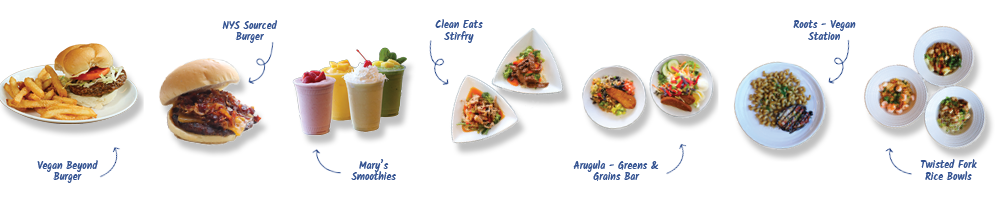
  • NEW Vegan Beyond Burger → Protein-packed, plant-based fuel. Available daily at all grill stations.
  • NY State Burger → Local flavor, served fresh at all grill stations.
  • Mary Jemison → Dairy-free yogurt parfaits and smoothies, plus new nutritional signage at the deli.
  • Arugula (Letchworth) → Build a customized greens & grains bowl with plenty of protein options.
  • Clean Eats (Letchworth) → Allergen-friendly meals with halal chicken and beef.
  • Roots (Red Jacket) → Dedicated vegan station loaded with plant-based proteins.
  • Twisted Fork (Red Jacket) → Rotating bowls (poke, katsu, fried rice) for post-practice variety.
vegan beyond burger, NYS sourced burger, clean eats stirfry, arugula - greens and grains bar, roots- vegan station, twisted fork rice bowls.
  • Stay hydrated—especially during travel or long practices.
  • Mix protein and carbs into each meal to support muscle recovery.
  • Keep portable snacks like fruit, trail mix, or hummus cups on hand.
  • Plan ahead! Stock up on smart grab-and-go items from our retail cafés or vending.

Madison Degenfelder, CAS Nutrition Intern, BS in Nutritional Sciences

Written by Madison Degenfelder
CAS Nutrition Intern, BS in Nutritional Sciences

For personalized nutrition support, contact Nutrition & Wellness Manager, Heather Carrera, DCN, MS, CNS, CDN: carrera@geneseo.edu. Book a one-on-one sessions with Heather here.