Architecture and Democracy, published 1918 by Claude Bragdon

Link to the book at Project Gutenberg
“Power, strangely mingled with timidity; ingenuity, frequently misdirected; ugliness, the result of a false ideal of beauty—these in general characterize the architecture of our immediate past; an architecture “without ancestry or hope of posterity,” an architecture devoid of coherence or conviction; willing to lie, willing to steal. What impression such a city as Chicago or Pittsburgh might have made upon some denizen of those cathedral-crowned feudal cities of the past we do not know. He would certainly have been amazed at its giant energy, and probably revolted at its grimy dreariness. We are wont to pity the mediaeval man for the dirt he lived in, even while smoke greys our sky and dirt permeates the very air we breathe: we think of castles as grim and cathedrals as dim, but they were beautiful and gay with color compared with the grim, dim canyons of our city streets.” page 2.
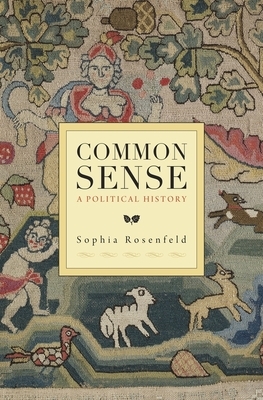
Common Sense: A Political History by Sophia Rosenfeld
How Trump uses ‘common sense’ to make a political point
October 21, 20255:05 PM ET
Heard on All Things Considered
Sophia Rosenfeld’s analysis of the historical uses and meaning of “common sense” demonstrates that the concept is complex and often used to avoid analytic thought.